Forget chickens and eggs and which came first. Bank accounts in 2022 are asking a far more pressing question: Which goes first—the expensive car, the boat, or the holiday house?
It’s a question few asset-acquiring Australians predicted they’d have to answer so soon after investing, but with household costs rising steadily and interest rates following suit, the holiday house dream might be DOA for many.
As the guarantee of higher interest rates coupled with hefty maintenance costs hit household budgets already stretched by Australia’s growing cost of living, investors could be forced to sell before seeing any return on their investment.
During the pandemic, demand for holiday homes surged thanks to remote work, record low interest rates, and city dwellers fleeing to the regions. We all watched as this unique trio of factors set property prices soaring across NSW, particularly in popular second-home markets like the Southern Highlands, Shoalhaven, and the Northern Rivers. Prices jumped almost 60% between March 2020 and April 2022, with seven-figure price tags now the median in these markets.
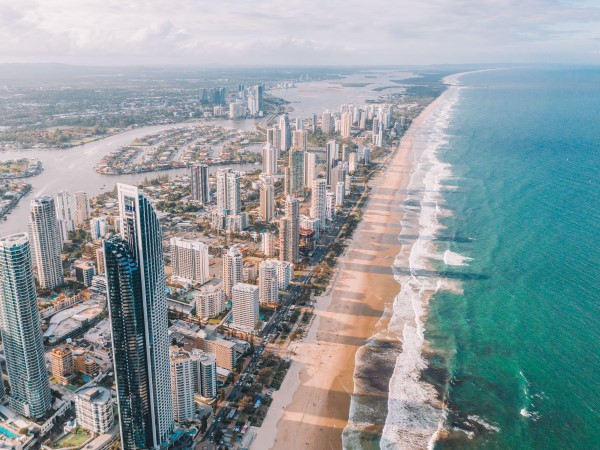
Over the year to March, prices in the Southern Highland’s council area of Wingecarribee grew from $333K to a median of $1.25 million, Wollongong’s climbed $215K to $1.02 million, and Ballina’s median increased from about $277K to $1.05 million. Further North, the Gold Coast and Sunshine Coast saw growth of 55.6% and 53.6% respectively.
But regional retreats bought at the peak of the property market boom are likely to expose owners to significant increases in mortgage costs by the end of the year. Buyers who paid top dollar could be especially vulnerable if they need to offload their holiday home in a declining market, which could be hastened by the return of international travel and holidaying within Australia no longer a necessity. If prices fall to pre-pandemic levels buyers who bought at the top of the market could be in negative equity, while areas where many households took low deposit mortgages could be at risk of faster and bigger declines.
The good news for those who bought in the boom is that the market hasn’t yet declined significantly. Prices are still much higher than they were 12 months ago in certain holiday markets. For example, Regional NSW is 9.6% higher than it was a year ago as of the end of August, with the last 3 months seeing a 1.5% decline.
Holiday homeowners feeling the pinch are also in a good position to turn their short-term stays into long-term leases. Post pandemic, in many popular second home regions, the rental market is particularly tight. Demand far outweighs supply, causing rent prices to soar over 35% in areas like Byron Bay, where the median house rent is now a staggering $950. As of last week, in Byron Bay, there were 3313 Airbnb listings and only 43 residential rentals.
If we look back at the interest rate increases of 2009 and 2010, where over a two-year span rates increased by 1.25%, the decline in property prices didn’t really start to show until 2011. With that in mind, the full impact of rising interest rates may not be felt for at least another year—but for some, the clock is ticking.